
Weapons
Every Mortal Shell II weapon and sidearm with upgrade paths, abilities and locations. Deeper weapon design and a wide array of ranged options await.
Introduction
Weapons define how you convert the posture system into damage in Mortal Shell II. Where the original Mortal Shell leaned on a small, handcrafted arsenal and a single ranged option, the sequel broadens the roster substantially: deeper weapon design, multiple melee classes and a wide array of ranged sidearms that replace the original’s Ballistazooka. Each weapon has its own moveset, posture-damage profile and upgrade path, and choosing the right one for your Shell is the difference between breezing through a boss and being stuck for hours. This hub ranks the weapon classes, explains upgrade materials and locations, and maps the best weapons to the playstyles you are likely to favor — whether that is a signature melee weapon with a deep moveset, a reliable sword and board, a slow devastating heavy weapon, or skulking in the shadows with a sidearm.
Weapon Class Rankings
| Class | Tier | Strengths | Best For |
|---|---|---|---|
| Signature Melee | S | Deep move sets, strong posture damage | Mastery-focused players |
| Reliable Swords & Axes | A | Balanced damage and speed | First playthroughs |
| Heavy Weapons | B | Slow but devastating, great for trading | Tanky Shells |
| Ranged Sidearms | B | Skulk in shadows, strike from a distance | Stealth builds |
Weapon Classes
Signature Melee
Deep, expressive movesets that reward mastery.
Reliable Swords & Axes
Balanced damage and speed — the safe all-rounder.
Heavy Weapons
Slow but devastating — built for trading blows.
Ranged Sidearms
Skulk in shadows and strike from a distance.
Core Mechanics
Weapon choice in Mortal Shell II is governed by three interacting systems. First, the moveset: each weapon class has a distinct rhythm of light attacks, heavy attacks and charged attacks, and since combat is stamina-free you can chain these freely — but attacks are commitments, and mashing buttons is punished by enemy posture and counterattacks. Second, posture damage: some weapons are tuned to break enemy posture faster, which directly feeds the riposte loop and makes them high-value for aggressive play. Third, upgrades: weapons have upgrade paths that require materials found in the world and in dungeons, and investing in the right weapon early saves you from wasted resources. Ranged sidearms expand the tactical space dramatically, letting stealth-focused Shells deliver blows from a distance before closing in for the kill. The result is a weapon system where class identity matters as much as raw numbers.
Advantages
The expanded weapon system is one of Mortal Shell II’s clearest upgrades over the original. Replacing the single Ballistazooka with a wide array of ranged sidearms opens up entirely new playstyles — you can soften enemies from the shadows, pull targets one at a time, and punish runners before they reach you. Deep movesets on signature melee weapons reward commitment and mastery, giving veterans something to sink hundreds of hours into. Because combat has no stamina bar, weapon classes feel more distinct than in traditional soulslike games: you are not just choosing a damage stat, you are choosing a rhythm, a reach and a posture-damage profile. That means the weapon tier list maps cleanly onto Shell archetypes — a durability Shell with a heavy weapon, or a stealth Shell with a sidearm, creates synergies that respect both halves of the build.
Challenges
The weapon system’s main drawback is information asymmetry before launch. Cold Symmetry has confirmed deeper weapon design and a wider ranged arsenal, but the full list of weapons, their exact upgrade materials and their precise locations have not been officially enumerated. That means our class rankings and upgrade-path guidance are built from the open beta, official screenshots and hands-on previews rather than a complete in-game database. Balance is also a live risk: beta-era weapon tiers can shift with Day 1 patches, especially for heavy weapons whose slow swing speed is very sensitive to posture and damage tuning. Finally, the deep movesets that reward mastery have a steep learning curve — a new player who grabs a signature weapon expecting easy wins may find the commitment-based combat punishing until they learn each weapon’s rhythm.
Frequently Asked Questions
Are there ranged weapons in Mortal Shell II?+
What is the best weapon for a beginner?+
How do weapon upgrades work?+
Quick Tips
Match weapon class to Shell archetype. A durability Shell benefits from a heavy weapon that rewards trading, while a stealth Shell gets more value from a sidearm and a fast melee weapon. The tier list ranks weapons in isolation, but your Shell determines which tier actually applies to you. Weapon guides are most useful after you have unlocked a few classes, so you can compare movesets against the enemies you actually face.
Upgrade one weapon at a time. Upgrade materials are scarce early, and a single fully-upgraded weapon beats three half-upgraded ones. Choose your primary weapon and sidearm, then funnel resources into them until the weapon’s full moveset and abilities are online. Keep upgrade material locations handy — a single rare material found early can fund an entire weapon’s best path.
Use a sidearm to control engagement distance. Even if you are a pure melee build, keeping a ranged sidearm lets you pull single enemies out of packs, punish fleeing targets and test boss reactions from safety — all without changing your combat rhythm. Pair every weapon guide with a Shell guide, because the two systems multiply each other and neither exists in a vacuum.
Featured
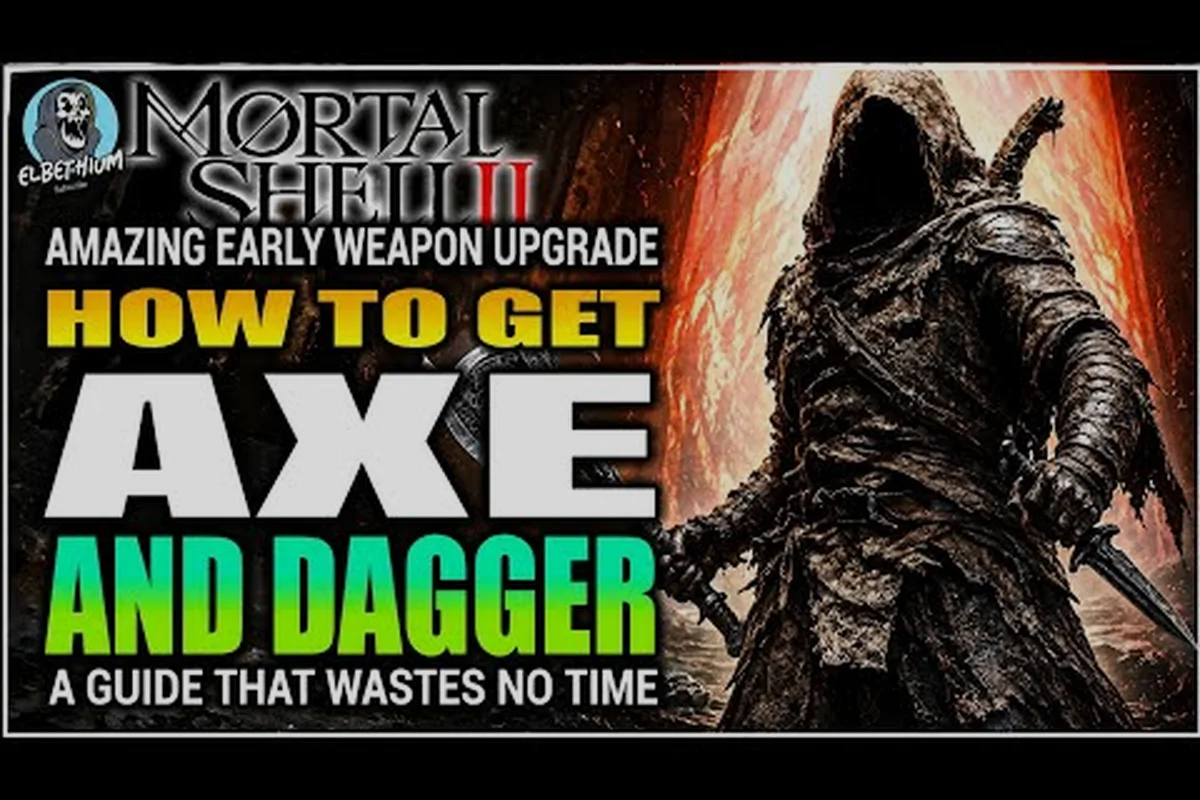
Mortal Shell II All Weapons Guide: Every Arsenal Entry
The Mortal Shell II all weapons guide details every melee weapon and sidearm: base stats, upgrade paths, unique abilities, and where to claim them.
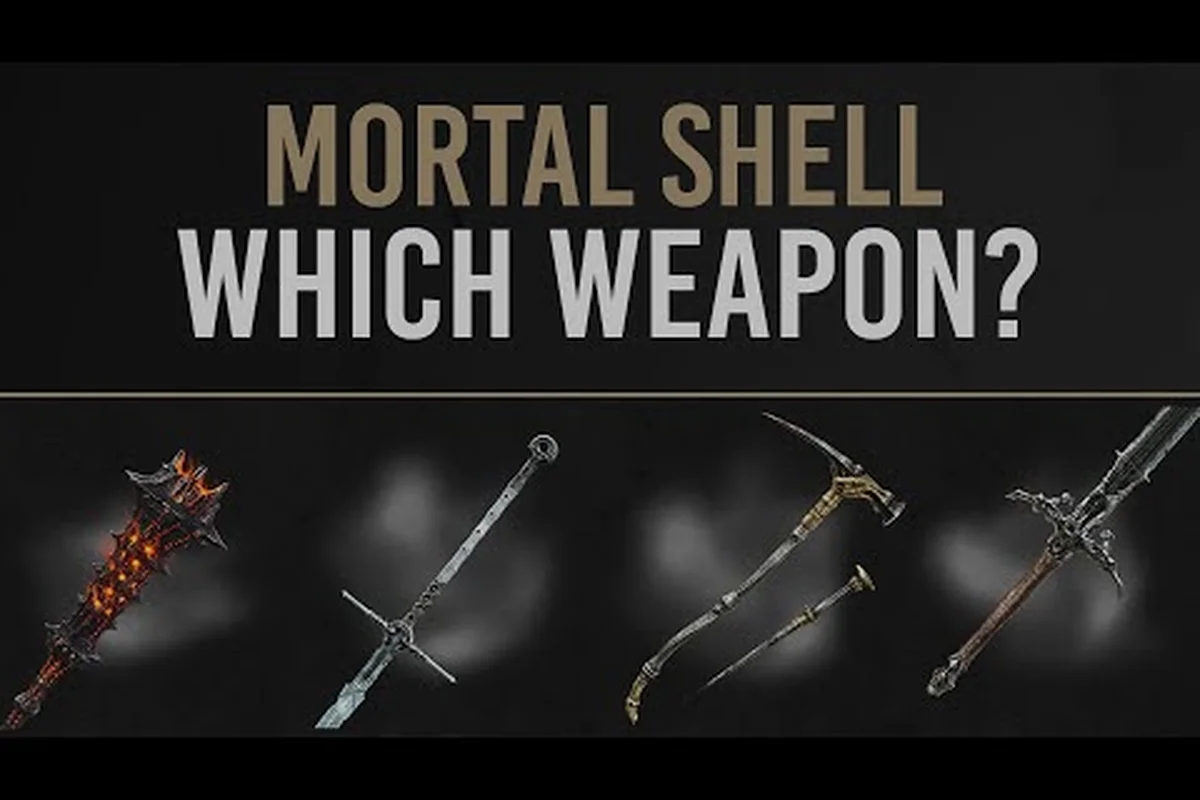
Mortal Shell II Weapon Types: Swords, Hammers, Axes
Understand every Mortal Shell II weapon types: one-handed swords, heavy hammers, axes, and ranged sidearms, and how move sets and posture damage shape tactics.
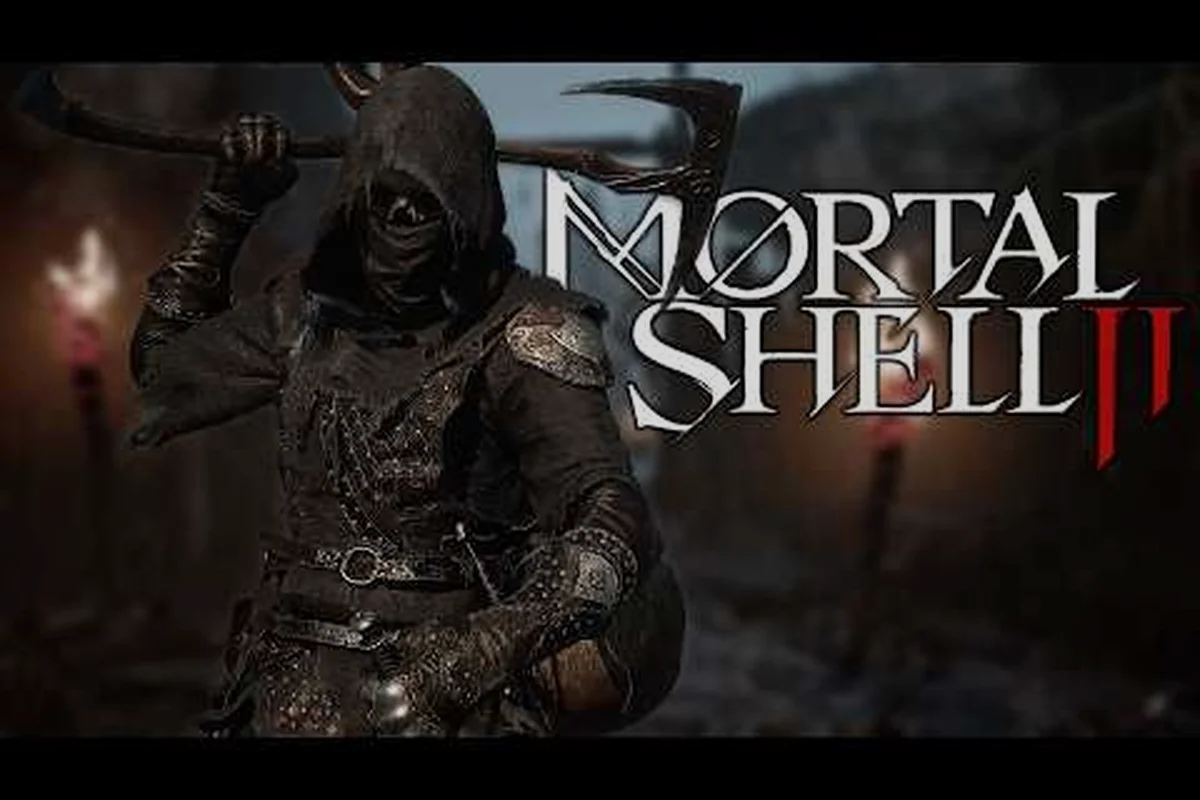
Mortal Shell II Weapons Gameplay: Combat Flow Deep Dive
Mortal Shell II weapons gameplay explained: Posture system, combo flow, charged attacks, weapon skills, and how the new arsenal improves on the Ballistazooka.
All Articles

Mortal Shell II Weapon Locations: Where to Find Them
Find every arm with this Mortal Shell II weapon locations guide: dungeon chests, boss drops, hidden caches, and merchant purchases in earliest-access order.
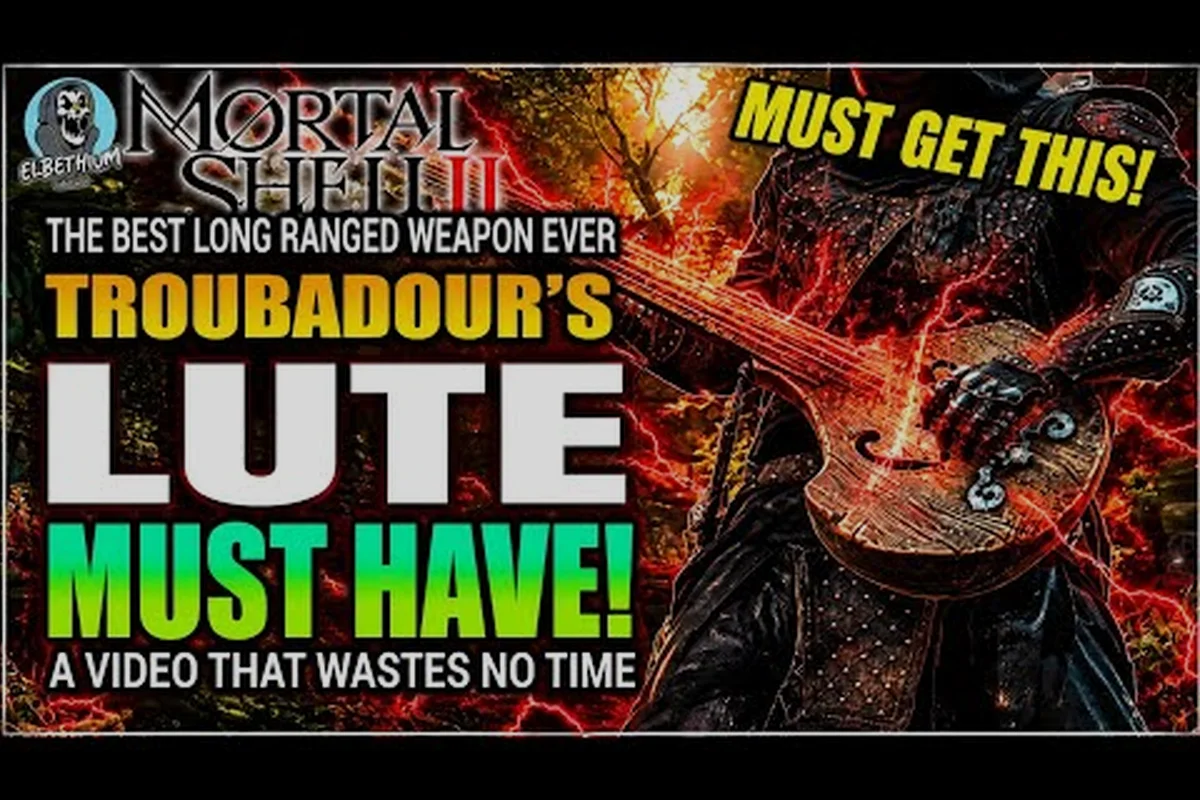
Mortal Shell II Hidden Weapons: Secret Arms to Find
Uncover Mortal Shell II hidden weapons in secret rooms and optional dungeons: clues, puzzle solutions, and the unique arms that reward thorough exploration.
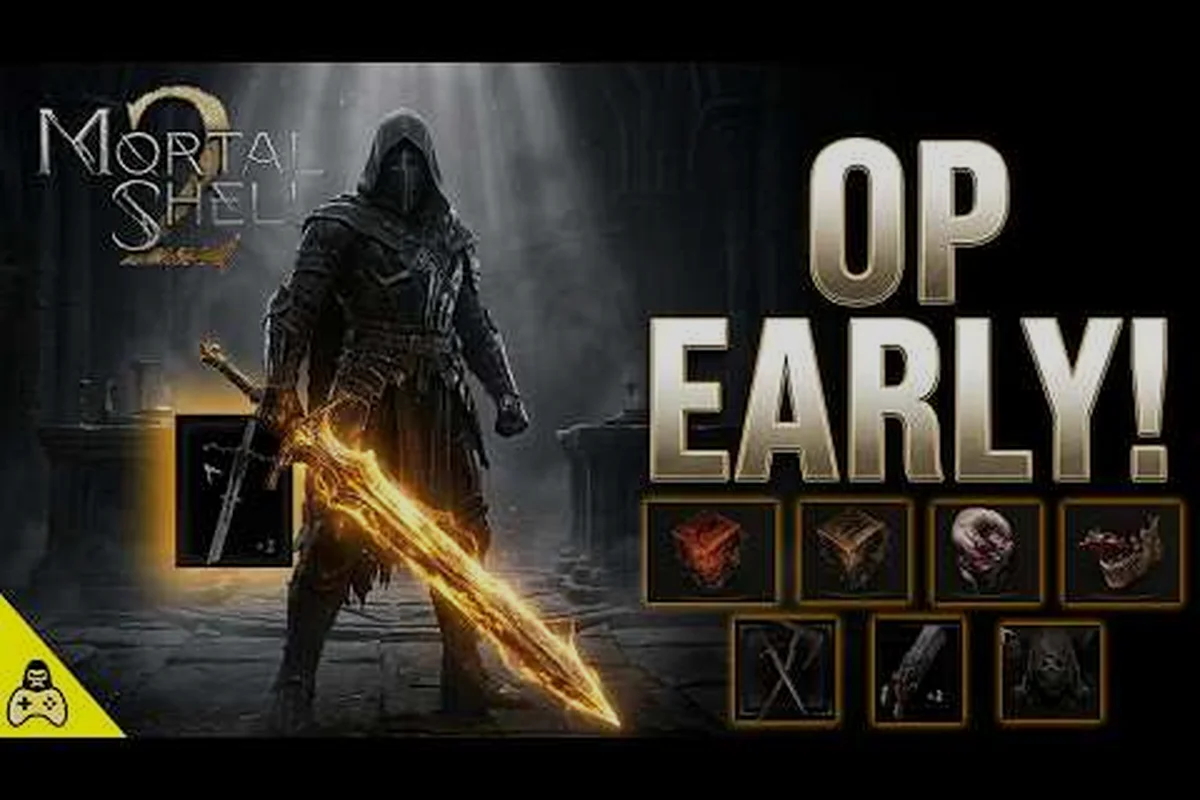
Mortal Shell II Weapon Find Guide: Early to Late Game
Follow the Mortal Shell II weapon find guide to arm yourself efficiently: which weapons to chase early, which to save, and how upgrades scale through the game.

Mortal Shell II Weapon Loadout Guide: Sidearm Pairings
Build the right Mortal Shell II weapon loadout with this guide to melee and sidearm pairings, posture synergy, and combos for bosses, dungeons, and stealth.