
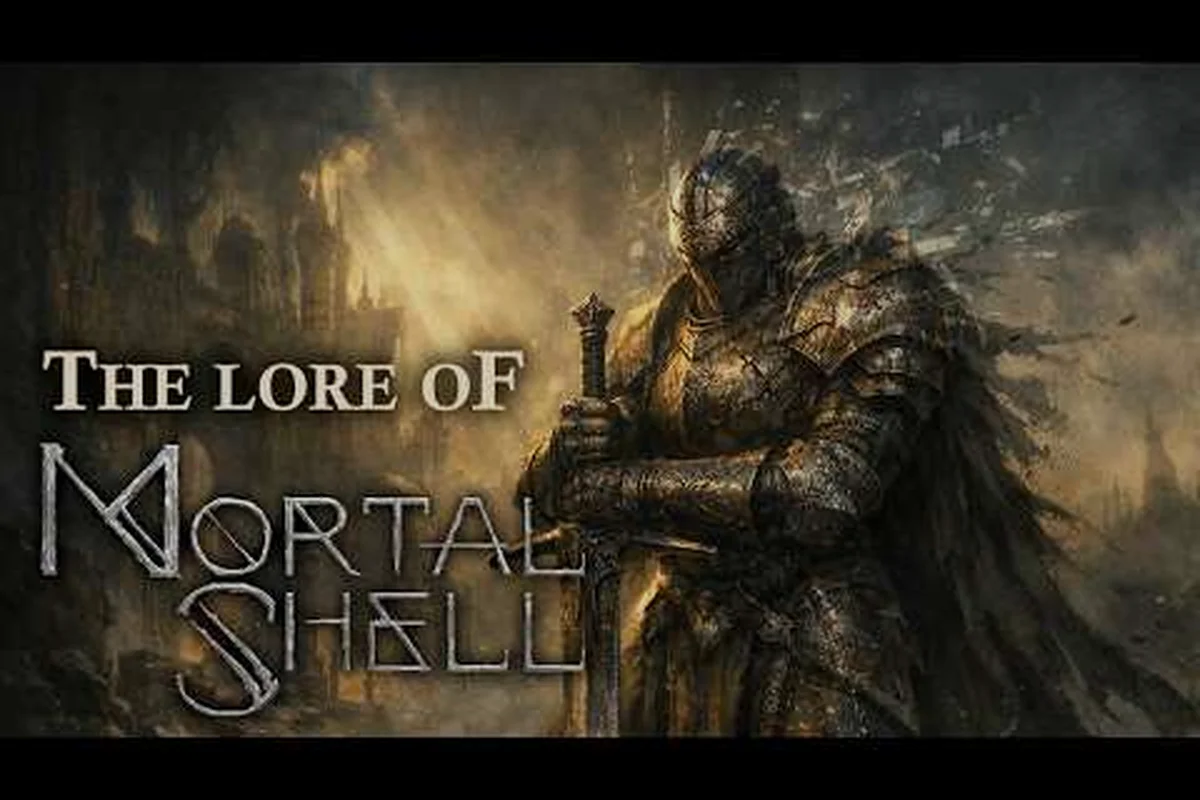
The pantheon of Mortal Shell II ancient deities is the quiet engine behind every crumbling shrine, every whispered prayer, and every Shell you inhabit. While the combat demands precision and the dungeons test your nerve, the world of Fallgrim is built on a fractured theology that explains why the Unfound Path exists at all. Understanding these gods is not optional flavor text — it is the key to grasping the Mortal Shell II god lore that shapes the narrative, the environments, and the very mechanics of devotion you will encounter across more than 80 dungeons.
What makes this lore so compelling is that Cold Symmetry has woven the divine directly into gameplay systems. The Revered Edition of the game leans heavily into this mythology, and the official website describes eight playable Shells whose abilities are tied to different divine aspects. When you understand that the goddess Vatra's influence appears in the Posture system, or that the Glands of the Unborn explain why certain enemies drop specific items, the entire experience clicks into focus. This guide unpacks the Mortal Shell II ancient deities systematically, tracing their origins, their domains, and their relevance to your journey — so you can walk the Unfound Path with eyes open.
The Pantheon of Fallgrim: Who Are the Ancient Deities?
Before you can appreciate the intricate Mortal Shell II god lore, you need a clear map of who these entities are and what they represent. The pantheon is not a tidy hierarchy of benevolent gods; it is a fractured collection of powers that have shaped Fallgrim through conflict, sacrifice, and abandonment. According to community data gathered from the open beta and official previews, the divine structure revolves around several key figures whose influence you will feel from the opening moments of the game.
The central figure is Vatra, the goddess whose name appears throughout the game's iconography and whose followers left behind the most visible marks on the landscape. Vatra is associated with fire, transformation, and the cycle of death and rebirth — themes that resonate with the core mechanic of inhabiting fallen warriors' bodies. Her worship is not gentle; it demands sacrifice, and the Glands of the Unborn are said to be her most sacred relics, containing the essence of deities who never fully manifested.
| Deity | Domain | Key Symbol | In-Game Presence |
|---|---|---|---|
| Vatra | Fire, rebirth, sacrifice | The Eternal Flame | Shrine mechanics, Shell resurrection lore |
| The Revered | Memory, legacy, guardianship | The Unfound Path sigil | Shell backstories, devotion system |
| The Unborn | Potential, unmanifested power | The Glands | Item descriptions, boss encounters |
| The Old Powers | Primordial forces, chaos | Ancient ruins | Dungeon architecture, environmental storytelling |
The name meaning behind these deities is worth examining closely. "Vatra" carries connotations of sacred fire in several linguistic traditions, and Cold Symmetry has layered this meaning into the game's visual language — from the ember particles that drift through Fallgrim to the way certain abilities ignite when your Posture breaks an enemy's guard. The Mortal Shell II name meaning extends beyond individual gods, though; the title itself refers to the practice of wearing the bodies of the fallen, a ritual that the Revered believe honors the dead while the Old Powers see as a desecration.
This theological conflict drives much of the Mortal Shell II story forward. You are not merely a warrior fighting through dungeons; you are a vessel caught between divine factions that disagree on whether inhabiting a Shell is a sacred duty or a blasphemous theft. The Mortal Shell II timeline becomes clearer when you understand that the Unfound Path was once a pilgrimage route for Vatra's devotees, and the dungeons you explore were originally temples, crypts, and sanctuaries built to honor these ancient deities.
Vatra the Flame-Bearer: The Goddess at the Center of It All
Vatra is not just one deity among many; she is the gravitational center of the Mortal Shell II ancient deities system. Her worship predates the other major cults, and her influence permeates everything from the game's visual design to its mechanical systems. Understanding Vatra is essential for anyone who wants to decode the Mortal Shell II god lore because so many of the game's mysteries trace back to her actions, her followers, and her eventual fate.
According to the official lore presented on the Mortal Shell II official website, the goddess Vatra was once the guardian of the cycle that allowed souls to pass from the mortal realm into whatever comes next. Her followers believed that by burning the bodies of the dead, they were returning those souls to her embrace — a practice that explains the numerous funeral pyres scattered throughout Fallgrim. When the cycle broke, Vatra's power waned, and the Glands of the Unborn became the last remaining source of her divine essence.
The Glands of the Unborn and Their Significance
The Glands of the Unborn are arguably the most important artifacts in the entire Mortal Shell II story. These glandular relics are said to contain the essence of deities that never fully manifested — beings that existed as potential rather than actuality. Community reports suggest that these glands are central to the game's ending, with different choices leading to different resolutions of Vatra's story.
What makes the glands so fascinating from a lore perspective is their ambiguity. Are they sacred relics that should be protected, or are they dangerous fragments that threaten to unmake reality? The game deliberately leaves this question open, and different factions within the world have different answers. The Revered treat the glands as holy objects to be preserved at all costs, while the followers of the Old Powers believe they should be destroyed to prevent the Unborn from ever manifesting.
The Revered: Guardians of Divine Memory
The Revered are the priestly caste that emerged after Vatra's decline, and they play a crucial role in the Mortal Shell II lore. Unlike the direct worship of Vatra, the Revered focus on memory and legacy — they believe that by remembering the gods, they keep them alive in a meaningful sense. This philosophy explains why the Shells you inhabit have such detailed backstories; each fallen warrior was someone the Revered deemed worthy of remembrance.
The Revered's devotion system is directly tied to gameplay mechanics. When you unlock new abilities or enhance your Shell, you are essentially participating in their ritual of remembrance. The Revered Edition of the game includes additional lore content that expands on this connection, offering players a deeper look at how the priestly caste interprets the Mortal Shell II ancient deities and their place in the cosmic order.
The Old Powers and the Unborn: Forces Beyond the Known Gods
While Vatra and the Revered dominate the surface-level narrative, the Mortal Shell II god lore runs much deeper. Beneath the recognizable pantheon lie the Old Powers — primordial entities that existed before the cycle of death and rebirth was established. These beings are not worshipped in any conventional sense; they are feared, avoided, and occasionally bargained with by those desperate enough to seek their aid.
The Old Powers represent chaos, entropy, and the raw forces of creation that predate order itself. According to community data from the Fextralife beta preview, these entities are associated with the more hostile environments in the game — the corrupted dungeons, the twisted enemies, and the environmental hazards that seem to defy natural law. The Mortal Shell II timeline suggests that the Old Powers were once contained by Vatra's cycle, and their resurgence is directly tied to her decline.
| Aspect | Vatra's Cycle | The Old Powers |
|---|---|---|
| Nature | Order, rebirth, transformation | Chaos, entropy, primordial force |
| Worship | Active devotion, sacrifice | Fear, avoidance, desperate bargains |
| Manifestation | Shrines, pyres, Shell inhabitation | Corrupted zones, aberrant enemies |
| Current Status | Declining, fragmented | Resurgent, expanding influence |
| Player Interaction | Devotion system, Shell abilities | Environmental hazards, optional bosses |
The Unborn occupy a strange middle ground between Vatra and the Old Powers. They are deities that never fully manifested — beings of pure potential that exist only as the Glands suggest. Some lore interpretations suggest that the Unborn are the children of Vatra and the Old Powers, caught between the forces of order and chaos. Others believe they are failed attempts by the Old Powers to create their own pantheon, thwarted by Vatra's intervention.
This ambiguity is intentional, and it feeds into the Mortal Shell II story in meaningful ways. The choices you make regarding the glands — whether to protect, destroy, or use them — effectively determine which interpretation becomes canonical for your playthrough. This branching narrative structure is one of the most praised aspects of the game, according to player reports on the Steam community hub.
How the Deities Shape Gameplay and World-Building
The Mortal Shell II ancient deities are not just background lore; they actively shape how you play the game. Cold Symmetry has integrated the divine into nearly every system, creating a world where theology and mechanics are inseparable. Understanding these connections will make you a better player, because you will recognize patterns that others miss.
The Posture system, which replaces the traditional stamina mechanic, is directly tied to Vatra's influence. When you break an enemy's posture and land a critical strike, you are essentially channeling the goddess's power to shatter the physical form and expose the soul within. The Riposte Takedowns that follow are described in the Fextralife preview as brutal executions that reflect the sacrificial nature of Vatra's worship — each takedown is a miniature ritual, a offering of the enemy's defeated form to the flame.
Shell Abilities as Divine Blessings
Each of the eight playable Shells in Mortal Shell II has abilities that reflect a connection to specific deities. According to the official website, these Shells range from shadow-dancing acolytes to durability-focused tanks, and their divine affiliations explain their mechanical differences:
-
Shadow-dancing acolytes draw power from the Unborn, using their unmanifested potential to phase through attacks and strike from unexpected angles.
-
Durability-focused tanks channel the Old Powers, absorbing punishment that would break lesser warriors and turning chaos into resilience.
-
Balanced Shells honor the Revered, maintaining a connection to memory and legacy that grants them versatility in combat.
The Tarstones and shell abilities that deal posture damage are also tied to this divine framework. When you upgrade your Shell, you are not just improving stats — you are deepening your connection to the deity that grants your powers. This is why the shell strengths and weaknesses guide is so valuable; it helps you understand which divine affiliations align with your preferred playstyle.
Environmental Storytelling Through Divine Architecture
The dungeons in Mortal Shell II are not randomly generated corridors; they are sacred spaces built by the followers of different deities. The architecture tells the story of the Mortal Shell II timeline — you can trace the rise and fall of Vatra's worship through the buildings you explore. Early dungeons feature the ornate flame motifs of her devotees, while later areas show the crude, chaotic structures of the Old Powers' influence.
This environmental storytelling extends to the 80+ dungeons mentioned in the Steam listing. Each dungeon is a chapter in the theological history of Fallgrim, and attentive players can reconstruct the Mortal Shell II god lore simply by studying the architecture, the item placements, and the enemy types. The story explained guide offers a comprehensive breakdown of how these elements fit together, but the key insight is that every environment is a deliberate narrative choice.
The Mortal Shell II Timeline: From Divine Dawn to the Unfound Path
Understanding the Mortal Shell II timeline is essential for anyone who wants to fully appreciate the Mortal Shell II ancient deities and their role in the story. The timeline is not presented linearly in the game; instead, it is fragmented across item descriptions, environmental details, and NPC dialogue. Piecing it together requires patience and careful observation, but the reward is a much richer understanding of the world.
The timeline begins with the Age of Fire, when Vatra's cycle was intact and souls flowed freely between life and death. This was the golden age of her worship, when the great temples were built and the Unfound Path was a thriving pilgrimage route. The Revered were the keepers of this era, preserving the memories of the gods and the heroes who served them.
The Age of Fracture followed, marked by Vatra's decline and the rise of the Old Powers. The cycle broke, souls became trapped, and the Shells — the bodies of the fallen — became contested resources. This is when the practice of inhabiting Shells began, though its origins are disputed. Some say the Revered developed it as a way to preserve heroic memories; others claim the Old Powers corrupted the practice for their own ends.
| Era | Key Events | Divine Influence | Player Relevance |
|---|---|---|---|
| Age of Fire | Vatra's cycle intact, temples built | Vatra dominant | Foundational lore, shrine mechanics |
| Age of Fracture | Cycle breaks, Old Powers rise | Conflict between factions | Main game setting, Shell system |
| Age of Unmaking | Unborn threaten manifestation | All deities contested | Endgame content, branching endings |
The Age of Unmaking is the current era, and it is defined by the threat of the Unborn. The Glands are destabilizing, and if they are not dealt with, the Unborn will manifest and remake reality in their image. This is the crisis that drives the Mortal Shell II story forward, and your choices regarding the glands determine which ending you receive.
The sequel story guide explores how this timeline connects to the original Mortal Shell, offering insights into how Cold Symmetry has expanded the mythology. The Mortal Shell II name meaning becomes clearer when you view it as a continuation of the original game's themes — the first game was about finding your Shell, while the sequel is about understanding the divine forces that make Shells possible in the first place.
Decoding the Name: What "Mortal Shell" Really Means
The Mortal Shell II name meaning is one of the most discussed topics in the community, and for good reason — the title encapsulates the entire theological framework of the game. A "mortal shell" is not just a body; it is a vessel that contains something greater, a temporary container for a soul or consciousness that transcends mortality.
In the context of the Mortal Shell II ancient deities, the name takes on additional layers of meaning. Vatra's cycle was built on the idea that souls need vessels — that the divine and the mortal are intertwined, each requiring the other to exist. The Shells you inhabit are not just gameplay mechanics; they are theological statements about the nature of existence in Fallgrim.
The Revered interpret the name as a sacred concept. For them, a mortal shell is a gift — a way for the divine to experience mortality and for the mortal to touch the divine. The Old Powers, by contrast, see shells as prisons, limitations imposed on the primordial chaos they represent. The Unborn are the ultimate expression of this tension, beings of pure potential trapped in glandular form because they never received a shell of their own.
This theological reading of the title enriches every aspect of the game. When you inhabit a Shell, you are participating in an ancient debate about the nature of existence. When you fight enemies, you are engaging with beings that have their own answers to this question. The Mortal Shell II god lore is not separate from the gameplay — it is the gameplay, dressed in the language of combat and exploration.
The Unfound Path as Theological Journey
The Unfound Path mentioned on the official website is more than a marketing phrase; it is the name for the pilgrimage that structures the entire game. The path was once a route of devotion, a journey that followers of Vatra undertook to reach her holiest sites. Now it is a route of desperation, a path that the player follows in search of answers, power, and survival.
The Mortal Shell II timeline suggests that the path itself is a character in the story. It has been walked by countless pilgrims, each leaving their mark on the landscape. The dungeons you explore are the waystations of this ancient journey, and the enemies you face are the guardians, the corrupted, and the lost who never completed their pilgrimage.
This framing explains why the game's exploration is so rewarding. Every corner you turn, every secret you uncover, is a piece of the path's history. The exploration achievements guide highlights how much of the game's content is tied to discovering these hidden stories, and the lore achievements in particular reward players who piece together the full narrative of the Mortal Shell II ancient deities.
Frequently Asked Questions
Who is the goddess Vatra in Mortal Shell II?
Vatra is the central deity of the Mortal Shell II ancient deities, associated with fire, rebirth, and the cycle of death. Her worship dominated Fallgrim before her decline, and her followers built the temples and shrines you explore. The Glands of the Unborn are said to contain her remaining divine essence.
What are the Glands of the Unborn?
The Glands of the Unborn are sacred relics containing the essence of deities that never fully manifested. They are central to the Mortal Shell II story because their destabilization threatens to allow the Unborn to manifest and remake reality. Your choices regarding the glands determine which ending you receive.
How do the ancient deities affect gameplay?
The Mortal Shell II ancient deities are integrated into core mechanics. The Posture system reflects Vatra's influence, Shell abilities are tied to divine affiliations, and dungeon architecture tells the story of the gods. Understanding the Mortal Shell II god lore helps you recognize patterns in combat and exploration.
What is the Mortal Shell II timeline of divine events?
The timeline spans three eras: the Age of Fire when Vatra's cycle was intact, the Age of Fracture when the cycle broke and the Old Powers rose, and the Age of Unmaking when the Unborn threaten manifestation. This timeline is revealed through item descriptions and environmental storytelling.
What does the name "Mortal Shell" mean in the lore?
The name "Mortal Shell" reflects the lore’s core belief that bodies are mere vessels. The ancient deities—Vatra’s ordered flame, the chaotic Old Powers, and the Unborn’s empty potential—each define these shells differently: sacred gifts, prisons, or tragic voids. This divine conflict shapes every pilgrim’s journey through Fallgrim.