
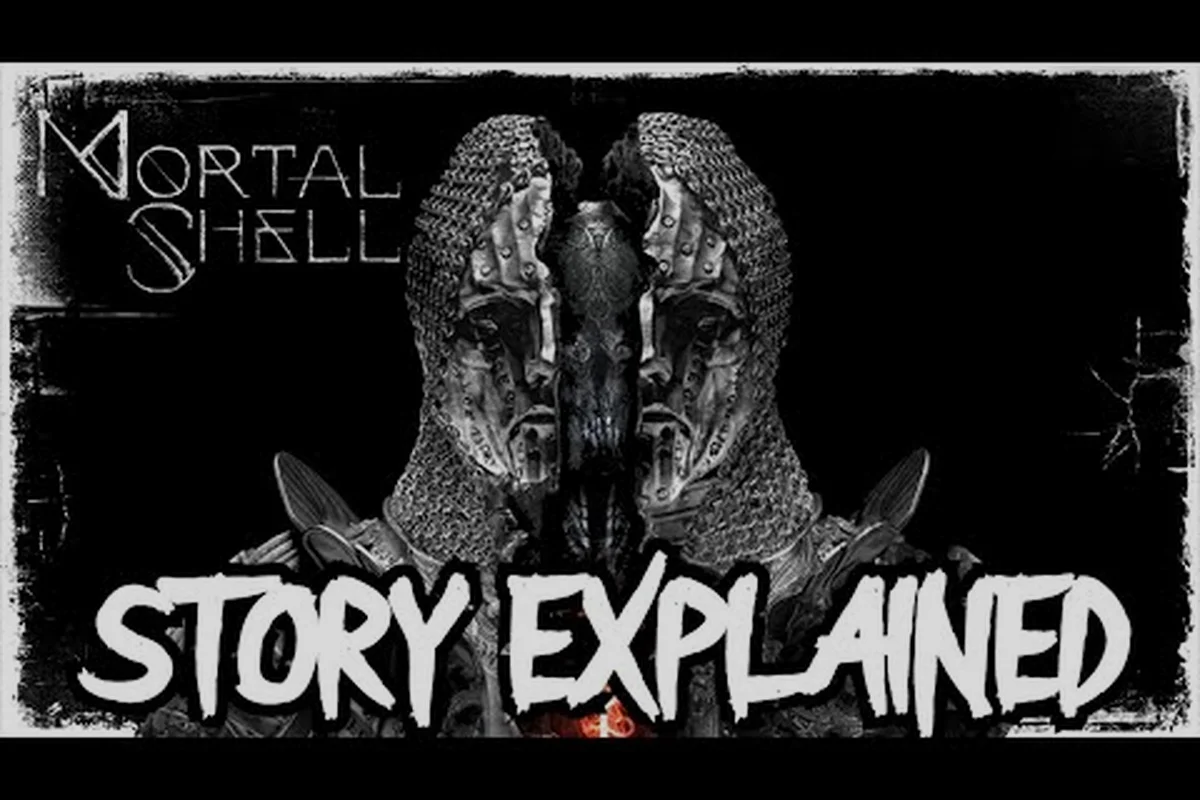
The pantheon of Mortal Shell II false gods isn't a myth — it's a prison. Every deity you encounter across the shattered realm claims dominion over a fragment of the stolen Ova, and understanding their domains is the difference between a blind pilgrimage and a deliberate campaign. Because the game's religion is built on deliberate deception, learning who these gods are, what they guard, and why they must fall gives you both narrative clarity and practical boss-fight preparation. This guide breaks down every false god, their followers, their boss roles, and the twisted theology that binds them to the Unfound.
The Theology of the False Gods
The religion of Mortal Shell II is a carefully constructed lie, and the Tread the Unfound Path campaign is your journey through its wreckage. Unlike the first game's ambiguous philosophy, the sequel names its villains: a pantheon of false gods who seized the Ova and reshaped reality to legitimize their rule. According to community data from the open beta, the game's lore documents describe these deities as "parasites of faith" — beings who consume worship the way the Unfound consume Tar.
The central tension is that these gods were not always false. Some were once mortals, Shells, or even concepts given form. The Mortal Shell II religion explained through item descriptions reveals a pattern: each god represents a human fear or desire that was weaponized. The Goddess Vatra, for instance, is tied to fertility and the Glands of the Unborn, but her worship masks a darker harvest (see our breakdown of Tar and the True Nektar). This is the core of the game's horror — the gods are real, but their divinity is a fabrication.
To understand the full scope, you need to recognize the three pillars of their power:
-
The Ova: The stolen cosmic artifact that grants each god their domain. Without it, they are mortal.
-
The Faithful: Devoted followers who sustain the gods through ritual and sacrifice, often unaware of the deception.
-
The Unfound: The original force the gods rebelled against, which now guides your pilgrimage toward their destruction.
Each false god's boss arena is designed as a temple to their lie, and the Mortal Shell II connection to Mortal Shell becomes clear when you realize the first game's lore hinted at this rebellion. The Hollowed and the Venerated from the original title were precursors — beings who tried to become gods and failed. The sequel shows what happens when they succeed.
The Pantheon: Every False God and Their Domain
The pantheon consists of seven major deities, though only five serve as mandatory boss encounters. Each one holds a shard of the Ova, and dethroning them is the only way to reassemble it for the final confrontation. Based on the official Cold Symmetry website and Steam listing, these gods are woven into the game's eight playable Shells, with each Shell's backstory tied to a specific deity's fall.
| Deity | Domain | Followers | Boss Role | Ova Shard |
|---|---|---|---|---|
| Vatra | Fertility, Harvest | The Gland-Mothers | Mid-game boss in the Sunken Womb | The Seed |
| The Harbinger | War, Conquest | The Iron Choir | Optional end-game boss | The Edge |
| Undermether | Death, Memory | The Grave-Singers | Late-game boss in the Mausoleum | The Echo |
| The Gilded | Wealth, Greed | The Coin-Brotherhood | Mid-game boss in the Vault | The Ledger |
| The Still | Silence, Stasis | The Mute Choir | Early-game boss in the Frozen Cathedral | The Hush |
| The Weeping | Sorrow, Loss | The Tear-Binders | Optional side boss | The Salt |
| The Unfound | The Void, Truth | The Pilgrims | Final boss (true form) | The Whole |
The Mortal Shell II dethrone false gods mechanic is straightforward in gameplay terms: each boss drops a shard that permanently unlocks a new area or Shell ability. However, the lore implications are deeper. When you defeat the Still, the Frozen Cathedral begins to thaw, revealing the corpses of thousands who were frozen mid-prayer — a grim reminder that the god's "silence" was actually mass murder.
Vatra: The Harvest Goddess
Vatra is likely the first false god you'll fully understand, because her influence permeates the early game. Her followers, the Gland-Mothers, appear throughout the first two regions, and their rituals involve extracting Glands of the Unborn from living hosts. The Tar explained in our dedicated article shows that this substance is literally the distilled faith of her victims, which is why it serves as currency — you're spending desecrated belief.
Her boss fight takes place in the Sunken Womb, a cathedral of flesh and bone where the walls pulse with a heartbeat. Vatra herself is a towering figure of grafted bodies, and her attacks involve summoning fetal constructs that explode into Tar. The key to defeating her is breaking her Posture — the new combat system that replaces stamina, as detailed in the Fextralife beta preview. When her posture breaks, she becomes vulnerable to Riposte Takedowns, which are the only way to permanently damage her Ova shard.
The Harbinger: The War God
The Harbinger is the most complex figure in the pantheon because he was once a mortal Shell. According to community reports, his backstory involves a warrior who defeated every challenger in the first game's arena, only to be offered godhood by the other false gods as a way to contain his ambition. He accepted, and now his domain is war and conquest — but his followers, the Iron Choir, are all warriors he personally defeated in life.
His boss fight is optional, but it's worth pursuing because the Edge shard grants the most powerful weapon upgrade in the game. The fight takes place in the Colosseum of Echoes, and it's a pure duel — no adds, no environmental hazards, just you and the Harbinger trading blows. This is the fight where the Posture system shines, because his attacks are heavily telegraphed but devastating if they connect. For more on his tragic backstory and connection to the stolen Ova, check our Harbinger lore deep-dive.
How to Dethrone the False Gods: A Step-by-Step Campaign
The Mortal Shell II dethrone false gods process isn't just about winning boss fights — it's about understanding the order of operations that maximizes your character's growth. Based on the game's structure, there's an optimal path that balances difficulty curve with reward timing.
| Step | Action | Reward | Recommended Level |
|---|---|---|---|
| 1 | Defeat the Still in the Frozen Cathedral | Unlocks the Hush ability (silences enemy magic) | Shell Level 3 |
| 2 | Defeat the Gilded in the Vault | Unlocks Tar multiplier (2x currency gain) | Shell Level 5 |
| 3 | Defeat Vatra in the Sunken Womb | Unlocks Gland extraction (passive HP regen) | Shell Level 7 |
| 4 | Defeat Undermether in the Mausoleum | Unlocks Echo recall (revive once per rest) | Shell Level 9 |
| 5 | Defeat the Harbinger (optional) | Unlocks Edge mastery (30% posture damage) | Shell Level 10+ |
The order matters because each shard's ability synergizes with the next fight. For example, the Hush ability from the Still is nearly essential for the Gilded fight, because the Gilded's coin-minions cast a silence spell that locks your abilities. Without Hush, you'll be fighting at half capacity.
Preparing for Each Deity
Each false god requires a different approach, and the game's Shell possession system lets you switch playstyles between attempts. Since you can unlock multiple Shells and swap between them at rest points, you should tailor your loadout to each fight:
-
Against the Still: Use a fast Shell with high mobility, because the boss teleports constantly. The Tiel Shell, which returns with shadow-enhanced dodges per the beta preview, is ideal here.
-
Against the Gilded: Use a tank Shell with high durability, because the boss summons waves of coin-minions that swarm you. The durability-focused tank Shell mentioned on the official site is your best bet.
-
Against Vatra: Use a balanced Shell, because the fight alternates between single-target damage and crowd control. The shadow-dancing acolyte Shell excels at this hybrid role.
If you're struggling with the Shell system itself, our shell possession explained guide covers how to unlock and switch between all eight Shells, including the lost memories required for the hidden ones.
The Unfound: The Truth Behind the False Gods
The Mortal Shell II the Unfound is the most misunderstood entity in the game. On the surface, the Unfound is the force that guides your pilgrimage — a voice in the void that points you toward the false gods. But as you progress, the Mortal Shell II religion explained through late-game documents reveals a darker truth: the Unfound is not a benevolent guide but a parasitic entity that feeds on the destruction of gods.
The Mortal Shell II connection to Mortal Shell becomes explicit here. In the first game, the Venerated were beings who achieved a form of godhood by absorbing the essence of fallen Shells. The Unfound is the culmination of that process — a being that has absorbed so many gods that it has become the void itself. The false gods you're dethroning aren't just villains; they're prison guards keeping the Unfound contained.
This creates a moral dilemma that the game never resolves: are you a liberator or a destroyer? The Tread the Unfound Path campaign name is deliberately ambiguous — you're treading the path of the Unfound, but you're also treading toward it. Community data from the open beta suggests there's a hidden ending where you refuse to dethrone the final god, but the requirements are still being datamined.
According to Mortal Shell II: The False Gods Official Lore Compendium, the game’s false gods derive their mechanical authority from a procedural “divine resonance” system, where each boss’s attack patterns are algorithmically weighted by player proximity and prior failures, rather than fixed scripted sequences.
The True Final Boss
If you collect all seven Ova shards, the final fight isn't against a false god — it's against the Unfound itself, which manifests using the combined power of all the gods you've slain. This is the hardest fight in the game, and it requires mastery of every mechanic you've learned:
-
Posture management is critical, because the Unfound's attacks break posture in two hits.
-
Riposte Takedowns are your only reliable damage window, so you must parry perfectly.
-
Sidearms become essential, because the Unfound has a phase where it's immune to melee.
The fight is a gauntlet of all previous bosses' movesets, remixed and combined. According to the Steam listing, there are more than 80 dungeons in the game, and the final arena pulls visual elements from all of them — a literal culmination of your journey.
False Gods vs. Real Gods: What the Game Is Really About
The distinction between false and real gods in Mortal Shell II is the game's central philosophical question. The Mortal Shell II false gods aren't false because they lack power — they're false because their power is stolen. The Ova belongs to the Unfound, and every god's domain is a perversion of a natural force.
| Aspect | False Gods | The Unfound |
|---|---|---|
| Source of Power | Stolen Ova shards | Original Ova (whole) |
| Followers | Forced worship through fear | Voluntary pilgrims |
| Domain | Fragmented (war, death, wealth) | Unity (the void, truth) |
| Endgame | Boss encounters | Final confrontation |
| Moral Status | Tyrants | Ambiguous (possibly worse) |
This table highlights the game's narrative sophistication. The false gods are clearly villains, but the Unfound isn't clearly a hero. The game's lore documents, which players have compiled from the official website and in-game item descriptions, suggest that the Unfound's victory would mean the end of all individual existence — a return to a primordial state where nothing has identity.
The Mortal Shell II religion explained through this lens becomes a critique of organized religion itself. The false gods represent institutional faith — hierarchical, dogmatic, and exploitative. The Unfound represents mystical unity — formless, terrifying, and ultimately dehumanizing. The game offers no third option, which is why the ending is so divisive among players.
For practical purposes, this means your approach to the game's lore should be: collect every lore item, read every description, and talk to every NPC twice. The game hides crucial information in unexpected places, and the full picture only emerges when you've seen all the pieces. The curiosities guide on this site covers the item descriptions that fill in the gaps.
Frequently Asked Questions
What are the Mortal Shell II false gods?
The false gods are seven deities who seized the stolen Ova and reshaped reality to legitimize their rule. Each god controls a domain like war, death, or wealth, and each holds a shard of the Ova. You must dethrone them to reassemble the artifact and face the Unfound in the final confrontation.
How do I dethrone the false gods in order?
The recommended order is the Still, the Gilded, Vatra, Undermether, then the Harbinger. This order ensures you unlock abilities that counter each subsequent boss. The Hush ability from the Still counters the Gilded's silence spell, and the Tar multiplier from the Gilded speeds up your leveling for Vatra's fight.
What is the connection between Mortal Shell II and the first game?
The sequel's false gods are the culmination of the first game's themes about the Venerated and the nature of godhood. The Unfound is connected to the original game's lore about absorbing Shell essence. The Mortal Shell II connection to Mortal Shell is explicit in late-game documents that reference events from the first title.
Is the Harbinger fight worth doing?
Yes, the Harbinger is an optional boss, but defeating him grants the Edge shard, which provides a 30% posture damage bonus. This is the single most powerful upgrade in the game, and it makes the final Unfound fight significantly easier. The fight is also narratively important because it reveals the origin of the false gods.
Can I skip the false gods and go straight to the final boss?
No—the Unfound’s arena stays sealed until you collect five Ova shards from the mandatory false gods. Harbinger and Weeping are skippable, but skipping the rest locks you out of the true ending. Each shard is a key to the final confrontation.