
Tier List
Early Mortal Shell II tier lists ranking Shells, weapons and sidearms based on official reveals, the open beta and community impressions before launch.
Introduction
The Tier List hub ranks every Shell, weapon and sidearm in Mortal Shell II based on official reveals, the open beta and community impressions. Because the game launches August 20, 2026, these rankings are early power assessments rather than final truth — but they give you a huge head start on deciding what to invest in first. The tier list explains why each pick lands where it does: what makes a Shell S-tier in the posture combat meta, which weapons convert posture breaks into the most damage, and where the situational tools fit. It also maps rankings onto playstyles, so an S-tier Shell that demands aggressive mastery may be worse for a patient player than an A-tier tank. Each entry includes the reasoning, the scenario where it shines and the build that gets the most out of it. Bookmark this hub and check back after launch — the tier list will be updated as the real meta settles.
Tier Ranking Criteria
| Rank | Meaning | Shells | Weapons |
|---|---|---|---|
| S | Best all-rounders for bosses and exploration | Shadow Acolyte (Tiel) | Signature Melee |
| A | Strong picks with specific advantages | Melee Vanguard, Durability Guardian | Reliable Swords & Axes |
| B | Viable with clear trade-offs | Balanced situational picks | Heavy Weapons, Ranged Sidearms |
| C | Situational tools for niche scenarios | Specialist Shells | Niche utility weapons |
Tier Breakdown
S Tier
Best all-rounders for bosses and exploration.
A Tier
Strong picks with specific advantages.
B Tier
Viable options with clear trade-offs.
C Tier
Situational tools effective in niche scenarios.
Core Mechanics
Tier rankings in Mortal Shell II are driven by how well each option performs in the posture combat meta. An S-tier pick combines high posture damage, good survivability and the mobility or defensive tools to exploit boss openings — which is why Tiel, with his stealth-empowered dodges, consistently ranks at the top in beta impressions. A-tier picks are strong but more specialized: a Melee Vanguard brings reliable posture pressure, while a Durability Guardian trades aggression for safety. B-tier options are viable with clear trade-offs — heavy weapons hit hard but commit you to slow trades, and ranged sidearms control distance but lack the burst of a good riposte. C-tier tools are genuinely situational, shining only in specific encounters. Because the game removes the stamina bar, weapons with deep movesets and strong posture damage tend to outrank raw DPS — the ranking is about converting openings into damage, not about stat sticks.
Advantages
A pre-launch tier list gives you a massive head start in a game where resources are scarce and respeccing is costly. Knowing which Shells and weapons are worth investing your early upgrade materials into prevents wasted progress — you can commit to an S-tier pick with confidence instead of discovering halfway through that your chosen build underperforms. The tier list also teaches the meta: understanding why a pick ranks where it does teaches you what the posture combat system actually rewards, which is transferable knowledge no matter what you end up playing. Because it is built from the open beta and community impressions, it reflects real, hands-on data rather than theorycrafting. And since we publish the reasoning behind every ranking, you can make an informed decision to run a lower-tier pick for fun without feeling like you are handicapping yourself.
Challenges
A pre-launch tier list has inherent limitations. The beta and official materials only reveal so much — the full roster of weapons, exact Shell abilities and final boss stats are not all confirmed, so some rankings are educated guesses that could shift with the Day 1 patch. Tier lists also flatten context: an S-tier Shell that demands aggressive mastery may be the wrong choice for a patient player, and a C-tier situational tool can trivialize the exact boss you are stuck on. The meta will evolve as real players find synergies and exploits after launch, which means any ranking frozen today will drift. Finally, tier lists encourage metagaming, and following one too rigidly can make you overlook a Shell or weapon that would have been a better fit for your particular playstyle.
Frequently Asked Questions
What makes a Shell S-tier?+
Is the tier list based on the open beta?+
Should I only play S-tier picks?+
Quick Tips
Read the reasoning, not just the rank. The tier list explains why each Shell and weapon lands where it does — and that why is the transferable knowledge. Understanding that posture damage and mobility drive the meta teaches you how to evaluate any new weapon or Shell you find, even ones not on the list.
Treat rankings as directional before launch. The beta shows real data, but a Day 1 patch can reshuffle everything. Invest in an S-tier pick to start strong, but keep an eye on the Updates hub and be ready to adapt your build once the real meta settles. Re-check the tier list after every patch note, because a single balance change can move a weapon or Shell up or down a full tier.
Match the tier list to your playstyle. A rank measures general effectiveness, not fit. If an A-tier tank matches how you actually fight better than an S-tier skirmisher, play the tank — the tier list is a map, not a cage. Use the reasoning notes to predict how future additions will rank, so you can evaluate new content before the list is updated.
Featured

Mortal Shell II Tier List: Shells and Weapons Ranked
The Mortal Shell II tier list ranks every Shell and weapon by beta performance and community impressions, with scenario notes for bosses and dungeons.
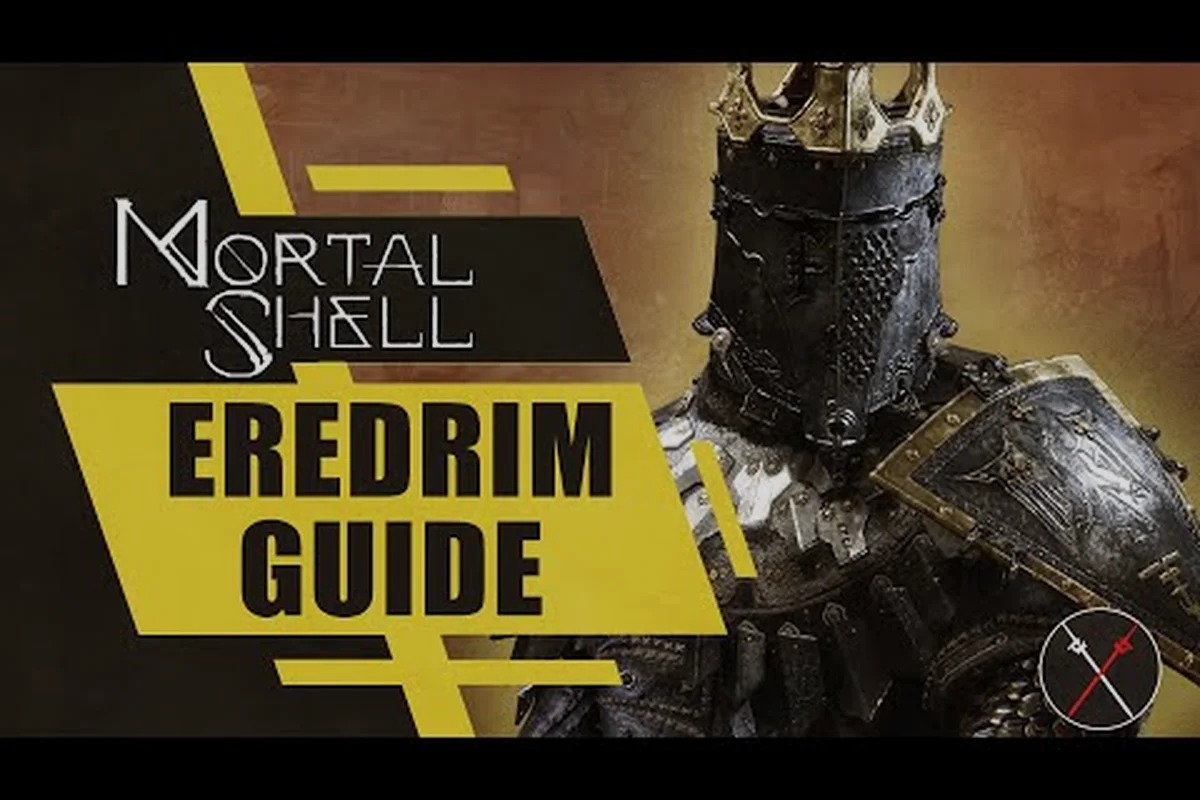
Mortal Shell II Best All Round Shell: Jack of All Trades
Seeking the Mortal Shell II best all round shell? Compare the versatile warriors that handle bosses, mobs, and stealth well, with builds and notes.

Mortal Shell II Best Endgame Build: Fully Maxed Loadout
Assemble the Mortal Shell II best endgame build once everything is unlocked: optimal shell, weapon, sidearm, and tarstone picks for the hardest fights.
All Articles
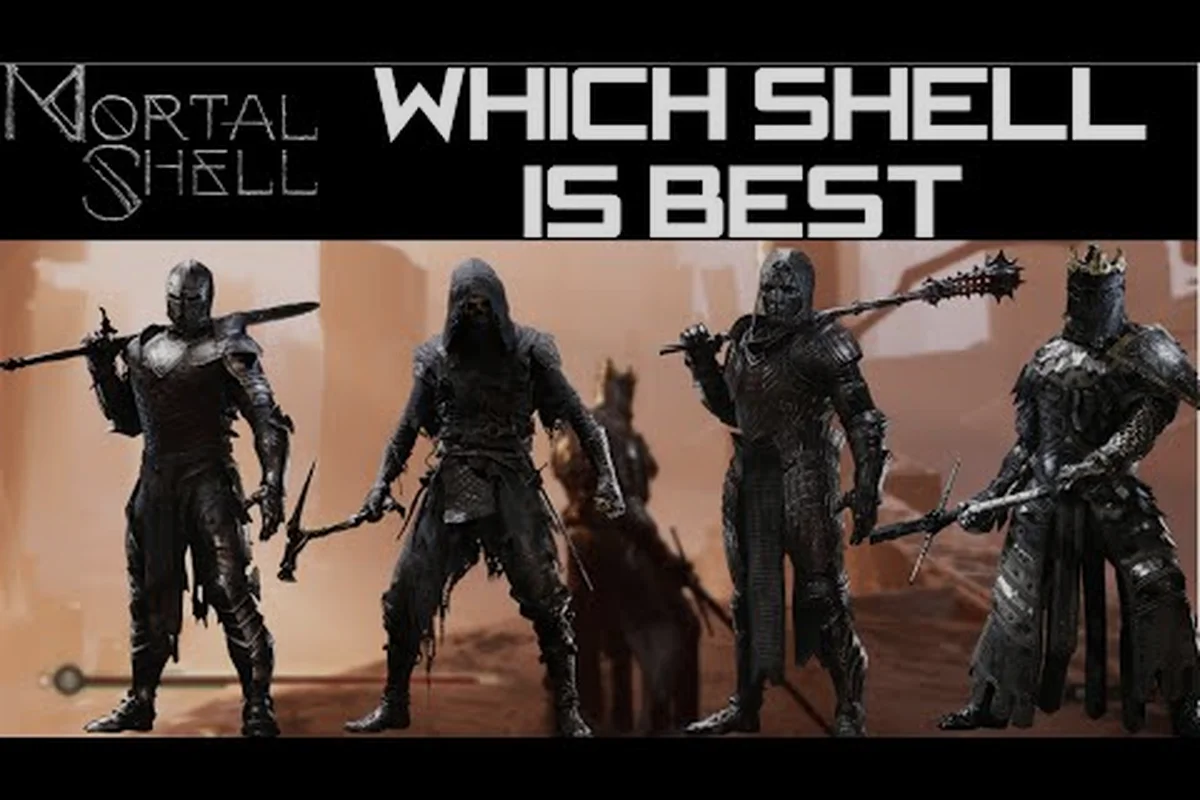
Mortal Shell II Strongest Shell: Top Warriors Ranked
Find the Mortal Shell II strongest shell for your playstyle: beta data and community picks for the best warrior, and top Shells for bosses and stealth.
Mortal Shell II Top Shells: S Tier Warriors Revealed
Read up on the Mortal Shell II top shells making up the S tier: what makes each elite warrior excel, and the builds that bring out their potential.
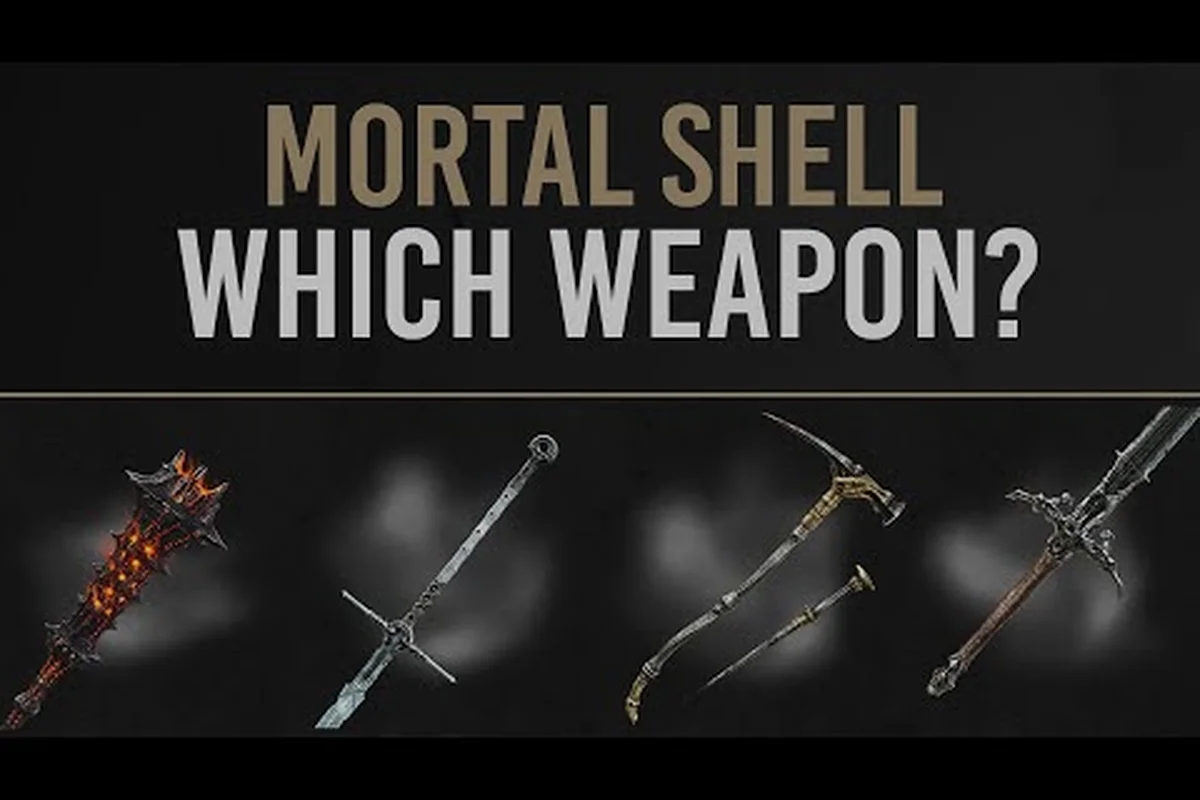
Mortal Shell II Best Equipment: All Gear Picks Ranked
Choose the Mortal Shell II best equipment for every stage: the strongest weapons, sidearms, and upgrades to chase across different combat styles.
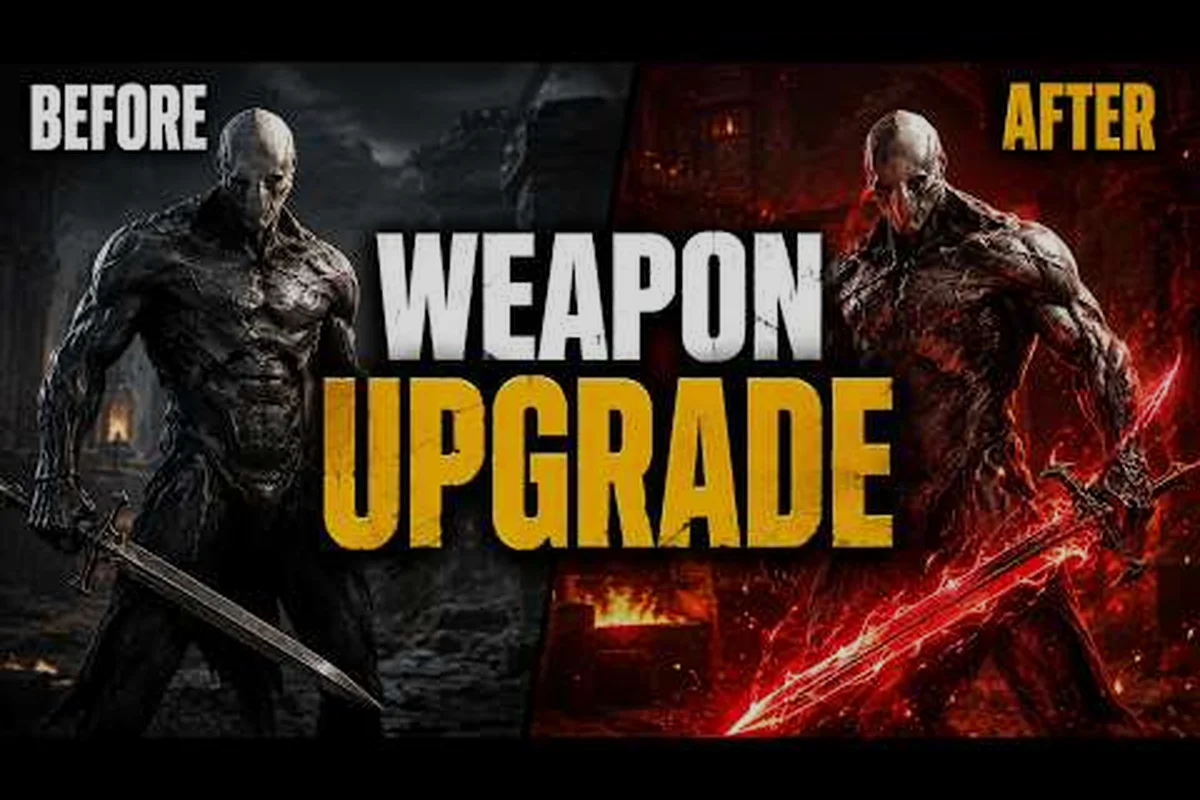
Mortal Shell II Best Upgrade Order: Shells and Weapons
Spend materials wisely with this Mortal Shell II best upgrade order guide: which shell abilities and weapon upgrades to prioritize for the long run.